(Note: I know this build isn't fully optimized and is missing several cards that would likely make sense and would make the deck much, much stronger; unfortunately, many of those cards are needlessly expensive, and I don't own them, so I didn't put them in the list. Even so, I believe this build is competent, if nothing else.)
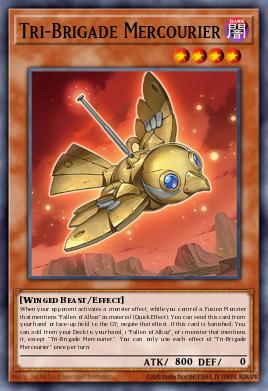
With the new support out of Doom of Dimensions, Tri-Brigades are finally able to utilize and summon their Link-5 effectivley. What's more, the new Radiant Typhoon monsters, being mostly tri-types themselves, easily slot into the deck and give it more special summons to help get your plays underway.
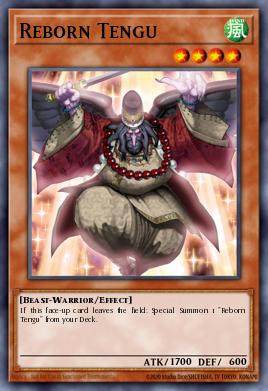
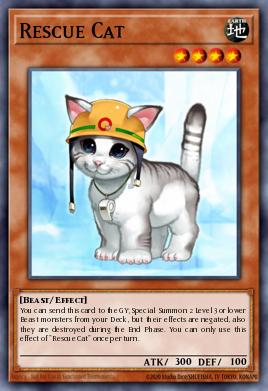
The deck has two potential Normal Summons, both of which have their advantages: Rescue Cat and Reborn Tengu.
- Rescue Cat is a one-card starter that easily set up your grave to utilize the on-field effects of your Main Deck Tri-Brigades.
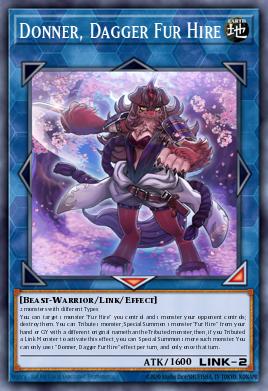
- Reborn Tengu does require another monster in hand that can special summon itself, though with 11 such monsters and 12 spells that can facilitate this condition this isn't too big of a concern; in the long term, Tengu represents 3 pieces of Link material and can be used to summon pretty much all the Link-2's besides Bearbrum.
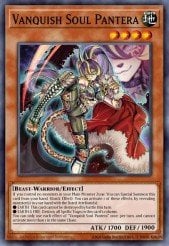
Outside of the Tri-Brigades themselves, you have as extenders Pantera and the Radiant Typhoon monsters.
- Pantera works well as an opening play, giving you a free body on field to pair with your Normal Summon to begin Link climbing.
- Both Eldam and Swen are functionally the same, both giving you a free body on field as well as an extra card in hand that you can either use to pitch for Kerass's cost or cycle with Ferrijit/Bearbrum's effects if need be.
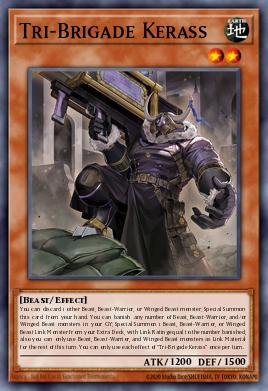
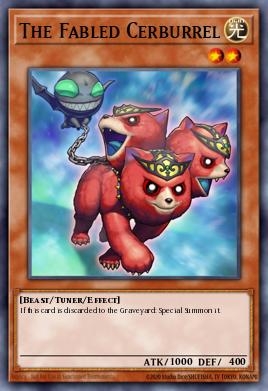
Cerburel is either used as 1) a target for Rescue Cat in deck, or 2) discard fodder for Kerass's cost in hand.
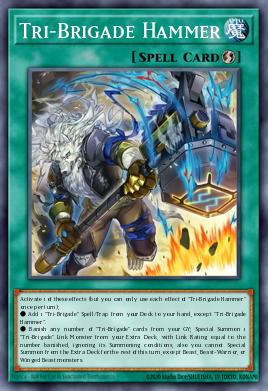
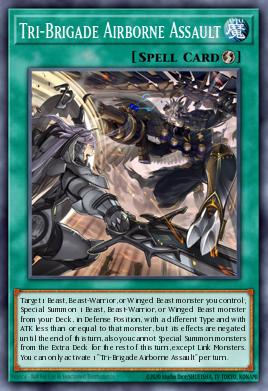
For the Tri-Brigade spells, the 3 quick-plays all have their uses, though Hammer is clearly the most versatile, and the continuous has its niche.
- Hammer can help fill your GY with the necessary spells to facilitate the summon of Bucephalus and is the only one of the trio that can be used twice in a turn (provided you use one copy for each effect, of course).
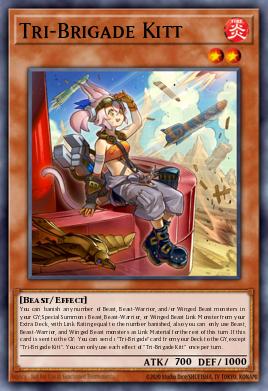
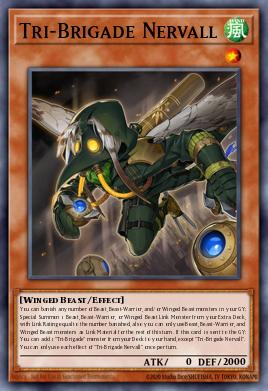
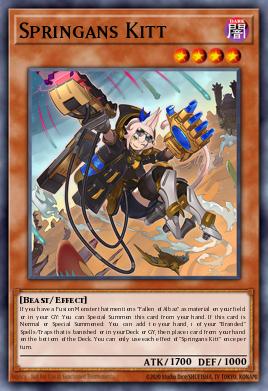
- Assault can fairly easily get you access to Kitt or Nervall and gives you another body for a Link summon by targetting any of your other monsters you've managed to summon throughout your turn (the only one that doesn't meet the ATK requirement is Rescue Cat, but given that it wouldn't be staying on the field for long anyway, this is hardly a consideration).
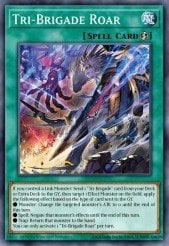
- Roar can either fill your GY with spells for Bucephalus or send Kitt to fill it with monsters for your various summoning needs; unfortunately, requiring a Link monster on field does hamper is utility slightly.
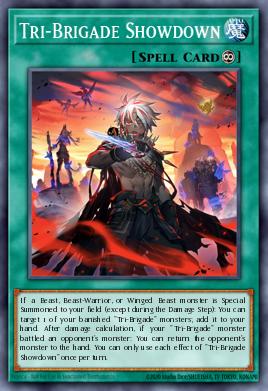
- Showdown can be a great recussion tool, getting Tri-Brigade names back from the Banishment, or as a pseudo-board breaker, bouncing your opponent's monsters back to their hand after battle; unfortunately, being a continuous spell instead of a quick-play or even a normal spell does reduce its utility within the deck's overall game-play somewhat.
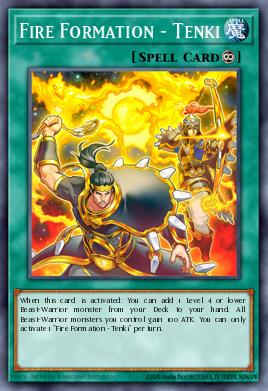
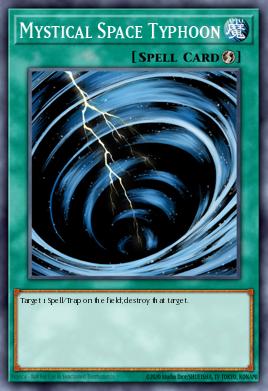
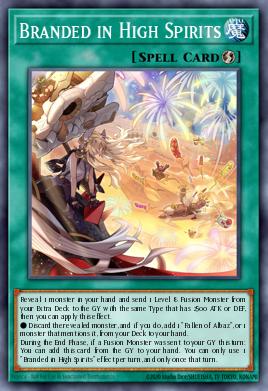
For the non-Tri-Brigade spells, Tenki is a staple of any deck featuring Beast-Warriors, and Chant is the best available search target off of Swen, while MST is mostly an addional search target for Chant.
- In this build, Tenki has 4 targets (Fraktall, Tengu, Pantera, and Swen); depending on what other cards are in your hand, Fraktall or Tengu are probably your best options, as one fills your GY with tri-types and the other provides tons of Link material.
- As stated above, searching Chant off of Swen will net you an extra card in hand that can be used as either a discard, a cycled card, or if it's a monster, a potential special summon target for Ferrijit; at the same time, drawing Chant in your opening hand is functionally the same as searching it, with the only diffence being that card you'll end up with after all the effects resolve will be another copy of Chant instead of a monster you can summon or the MST.
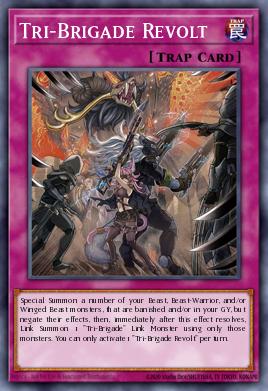
Finally, Revolt is one of the main pillars of the strategy, allowing you to Link summon on your opponent's turn and, if the right conditions are met, completely pick apart and neutralize their board before they can establish any kind of true threat.
Here's how a typical, uninterupted opening turn should go, with the understanding that, thoughout the course of taking your various actions, you will be utilizing in inherent special summons of your extenders and the on-field summoning effects of your Main Deck Tri-Brigades:
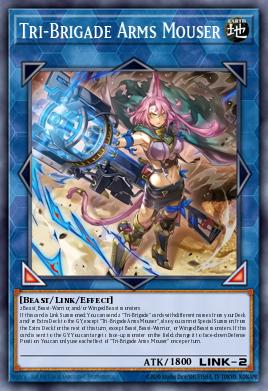
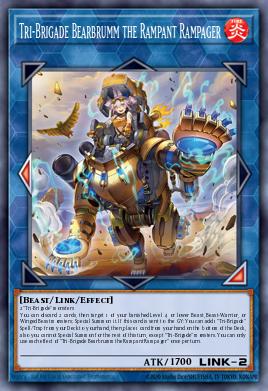
- Link off 2 monsters to summon Mouser.
- Mouser sends a copy of Bucephalus from the Extra Deck and either Kitt or a Tri-Brigade spell from the Main Deck to the GY.
- If you think you'll be able to get 3 Tri-Brigade spells in grave throughout the course of your turn, sending a spell with Mouser can help facilitate the summoning of Bucephalus later on.
- If you don't think you'll get the spells in grave, or if you don't have access to Fraktall or Kerass in your opening hand, sending Kitt might be the more optimal play.
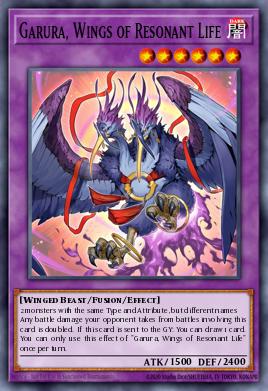
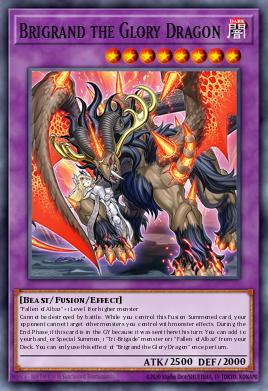
- Bucephalus sends either Bearbrum, Garura, or Brigand to the GY.
- If you don't think you'll be able to summon Bearbrum naturally throughout your combo, sending it off of Bucephalus will give you quick access to Revolt, thought it will mean that you won't be able to summon it off said Revolt later on if you need/want to and will alter your main combo later on.
- Garura is usually the best option for the send, as it allows you to draw a card that can be used to pay the cost for Kerass or be cycled back into the Deck through the GY effects of Ferrijit and/or Bearbrum.
- Brigand is the weakest option for the send, given that it doesn't add a card to your hand until the End Phase, but in situations where you have access to everything else you might need, it does give you potential follow up on your next turn by adding a Fraktall or a Kerass to your hand.
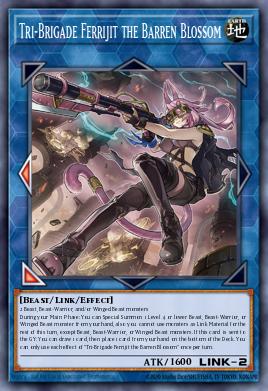
- Link off 2 monsters to summon Ferrijit and summon an additional monster from hand.
- Link off Ferrijit and another Tri-Brigade monster for Bearbrum; Ferrijit draws and cycles a card.
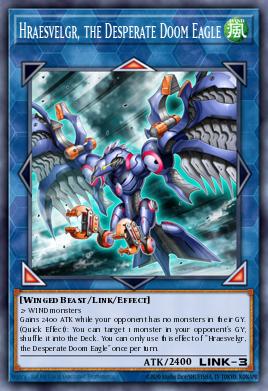
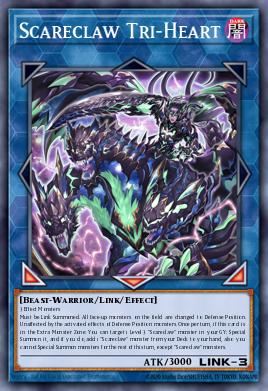
- If you sent Bearbrum off of Bucephalus, you'll either have to summon Tri-Heart or Doom Eagle, depending on how many monsters you have on field.
- If you have 3 Tri-Brigade spells in the GY, Link off Bearbrum and 2-3 monsters for Bucephalus; Bearbrum adds Revolt and cycles a card.
- If you don't have the necessary spells in the GY, Link off Bearbrum and any extra monsters you have for either Tri-Heart or Doom Eagle, depending on if you value preventing non-Link monsters from battling or banishing cards from your opponent's GY.
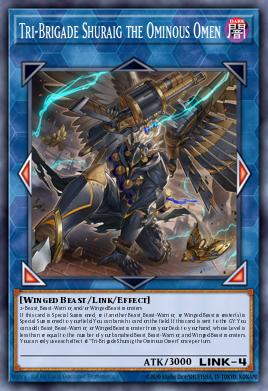
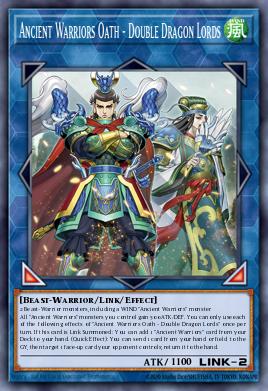
In the best of all worlds scenario, your endboard will have Bucephalus, which can protect your Link Summons and complete wipe your opponent's field if they somehow make it to the Battle Phase with any kind of threat; Revolt, which will summon Shuraig to banish a card, and depending on what your bring back with it, can utilize Mouser's "Book of Moon", Ferrijit/Bearbrum's draw or search, and/or Kitt's mill effect to get either Fraktall or Kerass in hand for your next turn; and either Double Dragon Lord's bounce, Tri-Heart's psuedo-floodgate of non-Link monsters, or Doom Eagle's GY banish, depending on how many Main Deck Tri-Brigade summoning effects you were able to utilize.
Of course, the deck isn't without its weaknesses.
- Droll & Lockbird is completely devasting for the deck with all the searching and drawing you aim to do.
- Other handtraps, like a well-timed Ash Blossom, Imperm, or Ghost Belle, can also be annoying, but with the amount of extension the deck has, they aren't quite as back-breaking.
- Likewise, Nibiru straight up kills the deck.
- Even if you manage to get Bucephalus on field before your 5th summon, your opponent just has to wait until you try to leave the Main Phase to "drop the rock on you".
- Note: I'm pretty sure this is how this interaction works, but I'm not a judge, so I could be wrong. As it is though, I'm pretty sure you specifically need monster/omni-negation to prevent Nibiru, which sadly doesn't exist among the Tri-types so far as I know.
- The Mulcharmy's, specifically Purulia and Fuwalos, are straight up knightmares.
- With how much summoning you'll want to do from both the hand and the Extra Deck, either one of these critters, or heaven forbid both of them, would result in your opponent being able to draw and cycle through a significant portion of their deck and likely chew through all your interaction.
Despite these downsides, the deck is incredibly fun to play, isn't too difficult to learn once you get the hang of it, and isn't too, too expensive, barring any crazy buyouts of the new cards that is.
 270
270 390
390 630
630 420
420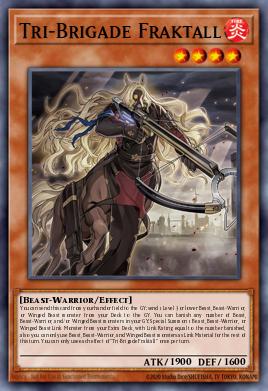









 Cool
0
Cool
0
 Funny
0
Funny
0
 Angry
0
Angry
0
 Sad
0
Sad
0