Garden of Thorns
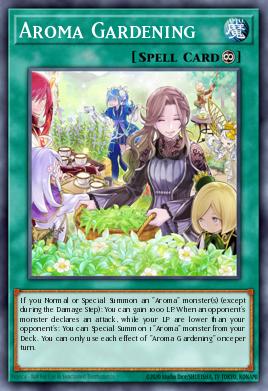
Garden of Thorns is an Aroma-centered Plant control/combo deck built around turning Life Point gain into tangible disruption, protection, removal, and card advantage. Rather than treating LP as a passive defensive resource, the deck deliberately creates small LP gains at precise moments to trigger several effects at once. Once established, the field becomes progressively harder to dismantle: Plants gain protection from targeting and destruction, opposing cards are removed whenever LP rise, and the graveyard continually feeds new resources back into the engine.
The deck is at its strongest when played patiently. You are not trying to produce the largest possible board at any cost. The goal is to establish two or three overlapping forms of interaction while preserving enough resources to rebuild if the opponent breaks the field.
Core Strategy
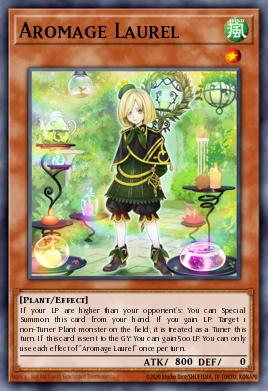
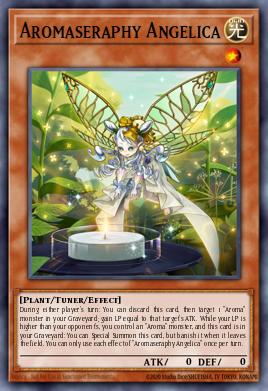
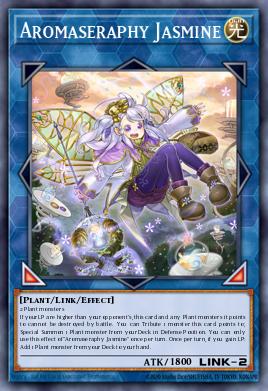
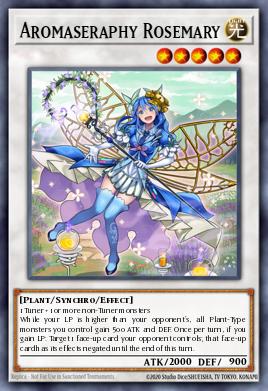
Aromalilith Rosalina is your premier starter. A particularly useful opening is to Normal Summon Rosalina and use her effect to bring out Aromage Laurel. Use the two Plants to Link Summon Aromaseraphy Jasmine. When Laurel reaches the Graveyard, its LP-gain effect can activate; that gain then allows Jasmine to search another Plant.
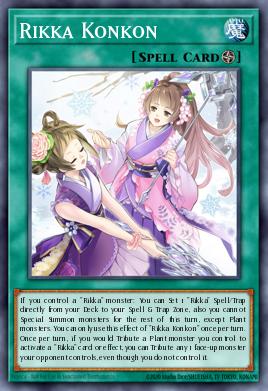
One of the strongest searches here is Rikka Princess. Special Summon Princess into a zone Jasmine points to, then Tribute it with Jasmine to Special Summon Mudan the Rikka Fairy directly from the Deck. Because Mudan was summoned by a Plant monster’s effect, it searches Rikka Konkon. Konkon can then place Rikka Sheet directly from the Deck while Mudan provides the Rikka monster needed to keep the engine active.
This single sequence converts Rosalina into an Aroma Link monster, an LP trigger, a Plant search, the Rikka engine, and multiple pieces of future interaction.
Princess going to the Graveyard is not wasted either. While you control a Rikka monster, Princess can later recycle herself to negate an opponent’s monster effect by Tributing a Plant. With Rikka Konkon active, that becomes considerably nastier because Konkon can allow an opponent’s face-up monster to be Tributed in place of your own Plant. You can therefore answer a monster effect while simultaneously removing one of your opponent’s monsters as the cost.
Turning LP Gain Into Removal
The most important lesson with this deck is that when you gain LP matters more than how much you gain.
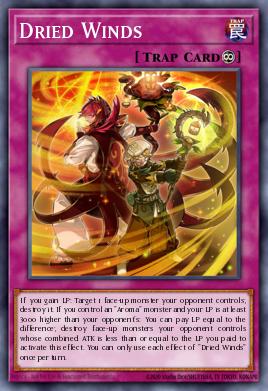
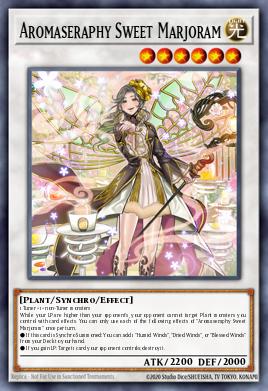
Once Aromaseraphy Sweet Marjoram and Dried Winds are established, a single LP gain can produce two separate pieces of removal. Sweet Marjoram can destroy an opponent’s card when you gain LP, while Dried Winds can destroy a face-up opposing monster from the same gain.
That means something as simple as activating Blessed Winds during the opponent’s turn can suddenly become:
Blessed Winds gains LP → Sweet Marjoram destroys a card → Dried Winds destroys a monster.
Do not fire your LP effects automatically. Hold them until the opponent commits something important. If they summon an essential starter, activate an important Continuous Spell, or place a boss monster on the field, that is when an LP trigger becomes disruption instead of merely recovery.
Blessed Winds is particularly valuable because it gives you options. Recycling a Plant into the Deck both preserves resources and gains LP. Sending a Plant from your hand or field can load useful monsters into the Graveyard while gaining LP. Its revival effect does not gain LP, but it can restore an Aroma body that you need for a follow-up Link, Synchro, or Fusion play.
The Aroma Fortress
Two of your best monsters create the defensive shell that makes Garden of Thorns so frustrating to dismantle.
Aromaseraphy Sweet Marjoram prevents your opponent from targeting your Plants with card effects while your LP are higher.
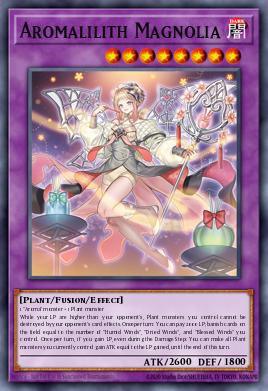
Aromalilith Magnolia prevents your Plants from being destroyed by opposing card effects under the same condition.
Together, conventional removal becomes awkward. Targeted effects struggle against Sweet Marjoram, while board wipes based on destruction struggle against Magnolia.
Magnolia is not merely defensive. Its effect can pay 2000 LP and banish cards from the field based on how many of the three Winds you control. If Humid Winds, Dried Winds, and Blessed Winds are all established, Magnolia can remove several cards without destroying them.
The important tactical consideration is your LP total. Paying 2000 may temporarily remove your LP advantage, which can shut off your Aroma protection. Calculate the totals before activating Magnolia. Sometimes removing three cards immediately is worth losing protection; sometimes maintaining your LP lead is far more valuable.
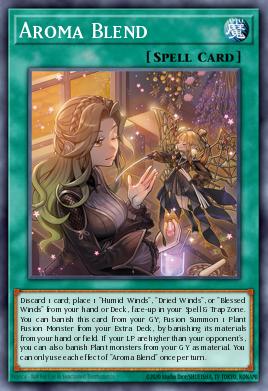
Aroma Blend and Magnolia
Aroma Blend is one of the deck’s strongest setup cards because it performs two jobs.
First, it discards a card to place Humid Winds, Dried Winds, or Blessed Winds directly from the Deck onto the field. This lets you choose whichever part of the engine your current hand is missing.
Then, from the Graveyard, Blend becomes your Fusion Summon. If your LP are already higher, Plants in the Graveyard can contribute toward the Fusion Summon, making Aromalilith Magnolia much less expensive to produce.
This means the discard for Blend should not always be viewed as a loss. Sending an Aroma or another Plant that you want available in the Graveyard can actually prepare the Fusion material or later recursion.
When choosing which Wind to establish, think about what the duel requires. Dried Winds is the aggressive choice when you need immediate disruption. Blessed Winds is normally best for sustained advantage and reliable LP triggers. Humid Winds is strongest when you need additional Aroma access and can afford to spend LP searching.
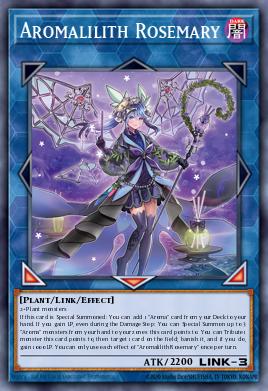
Aromalilith Rosemary
Aromalilith Rosemary is one of your best cards for converting an established engine into overwhelming advantage.
When she is Special Summoned, she searches an Aroma card. More importantly, once she has monsters in the zones she points to, she can Tribute one of them to banish a card on the field and then gain 1000 LP.
The sequence matters.
Banish the opponent’s problem card first. Rosemary then gains 1000 LP. That LP gain can trigger Sweet Marjoram, Dried Winds, Aromaseraphy Jasmine, or other Aroma effects that are currently available.
So Rosemary’s removal can effectively become the first domino in a much larger chain of disruption.
If you gain LP while Rosemary is established, she can also unload Aroma monsters from your hand into the zones she points to. This lets apparently dead Aroma monsters become immediate Link, Synchro, or tribute material.
The Rikka Trap
The Rikka engine is deliberately small, but Rikka Sheet with Rikka Konkon gives the deck one of its nastiest tricks.
Normally, Sheet can negate the field effects of an opponent’s face-up monster and, if you Tribute a Plant when activating it, temporarily take control of that monster.
Konkon can allow the required Tribute to come from your opponent’s field instead.
For example, suppose the opponent controls two important monsters. Activate Rikka Sheet targeting Monster A, then use Konkon to Tribute Monster B instead of your own Plant. Monster B disappears as the activation cost, Monster A has its effects shut off, and Sheet can then take control of Monster A for the turn.
That is an enormous swing from one Trap.
Do not waste Sheet on the first monster summoned unless stopping it truly ends the opponent’s turn. The threat of Sheet often becomes stronger as the opponent commits additional monsters, because Konkon gives you more valuable tribute targets.
Going First
Your ideal first turn is not necessarily five Extra Deck monsters. Prioritize a protected Aroma board with at least one controllable LP trigger.
Sweet Marjoram plus a Wind is already meaningful disruption. Magnolia makes that board considerably harder to clear. Aromaseraphy Jasmine gives you follow-up Plant access. The Rikka package adds a separate axis of interaction that does not depend entirely on LP gain.
A strong end field forces the opponent to deal with several different problems simultaneously: targeting protection, destruction protection, LP-triggered removal, Rikka interaction, and whatever hand traps remain in your hand.
Do not overextend merely because more summons are available. If you already have several interruptions and cards remaining in hand, preserving those cards for Turn 3 is often stronger than converting everything into one giant board.
Going Second
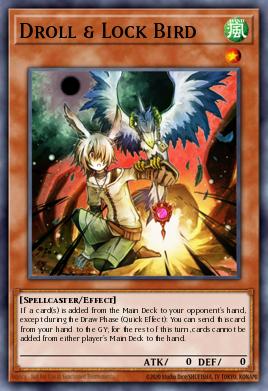
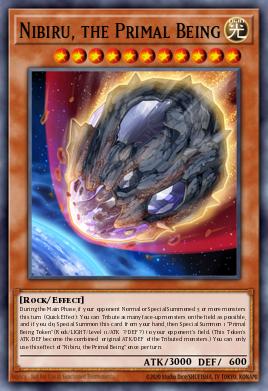
Going second, your hand traps are intended to prevent the opponent from reaching an unbeatable position rather than stopping every individual activation.
Once your turn begins, Aroma has surprisingly strong board-breaking tools. Magnolia provides non-destruction banishing, Aromalilith Rosemary provides targeted banishing, the Rikka engine can Tribute opposing monsters, and your Plant Links give you ways to convert small monsters into progressively stronger threats.
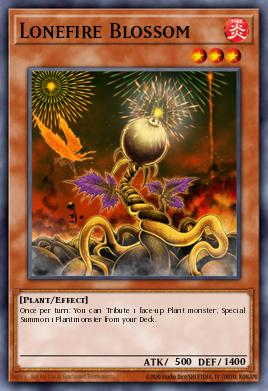
Against a board with several interruptions, force interaction with the least important effect first. Lonefire Blossom, Aroma Blend, and your smaller Plant summons can force negates before Rosalina or Jasmine resolves.
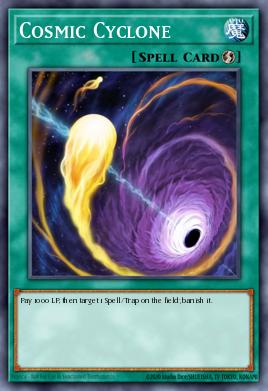
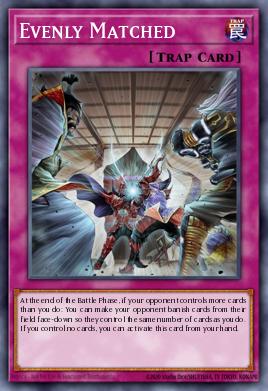
After siding, cards such as Evenly Matched and Cosmic Cyclone can simplify oppressive boards before you commit your Aroma engine.
Life Point Management
Your LP total is effectively a second resource system.
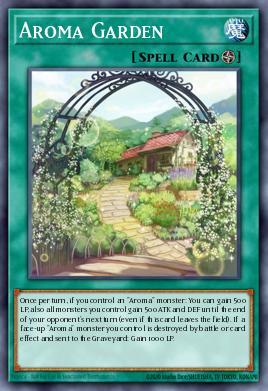
Being higher than your opponent activates many of your strongest effects. You gain protection, additional summons, searches, and other advantages by maintaining that lead.
But you also have cards that deliberately spend LP.
Do not automatically activate every search or payment available. Paying 1000 LP for Humid Winds or 2000 LP for Magnolia can be excellent, but only if the resulting advantage outweighs temporarily falling below your opponent.
The deck rewards planning one or two effects ahead. Before paying LP, ask whether you still need Sweet Marjoram’s targeting protection or Magnolia’s destruction protection. Before gaining LP, ask whether waiting until the opponent commits another card could turn that same gain into significantly stronger disruption.
Grind Game
Garden of Thorns becomes increasingly difficult to exhaust once the duel slows down.
Blessed Winds recycles Plants. Aromaseraphy Jasmine generates searches from LP gain. Humid Winds provides repeated Aroma access. Aromalilith Rosemary searches additional engine pieces. Your Graveyard functions as both a resource pool and potential Fusion material for Aroma Blend.
This means you should rarely judge a trade as simply “one card for one card.” A Plant that reaches the Graveyard may later be revived, shuffled back for LP, used as Fusion material, or enable another Aroma effect.
Against other grind decks, resist the urge to end the duel immediately. Establish your LP advantage, recycle your engine, and force the opponent to repeatedly spend real cards answering resources you can recover.
Overall Playstyle
Garden of Thorns wins by making seemingly harmless actions increasingly punishing. A 500 LP gain can search a Plant, destroy an opponent’s monster, destroy another card, trigger an Aroma effect, and preserve your engine for another turn.
The deck should feel less like a traditional combo deck and more like cultivating a battlefield. First establish the garden. Then protect it. Once Sweet Marjoram, Magnolia, the Winds, Jasmine, and the Rikka interactions begin overlapping, every action your opponent takes risks triggering another layer of removal or advantage.
The opponent is not simply trying to break your board.
They are trying to break it while the garden keeps growing back.

 150
150 390
390 390
390 720
720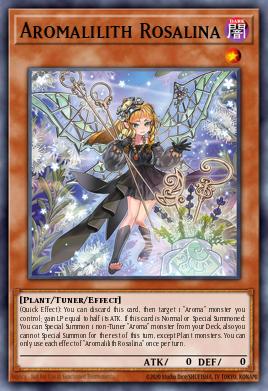



















 Cool
0
Cool
0
 Funny
0
Funny
0
 Angry
0
Angry
0
 Sad
0
Sad
0